Coastal Climates and the Rhythm of Gulf Dining Seasons
Seasonal temperature shifts across the Arabian Gulf dictate the rhythm of regional dining, shifting between breezy waterfront terraces and climate-controlled indoor venues.
Winter and Spring Dynamics in Gulf Hospitality
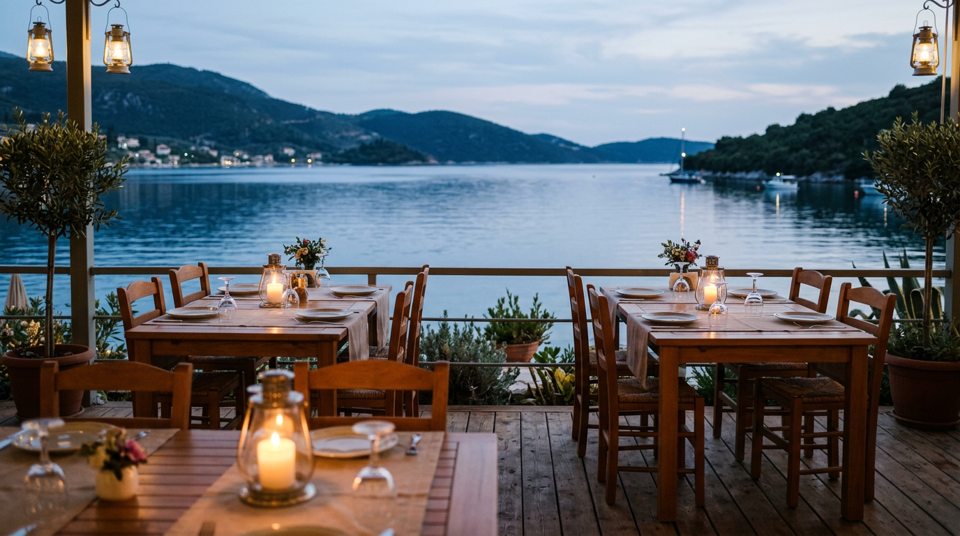
The climate of the Arabian Gulf follows two primary seasonal phases that profoundly influence travel and local hospitality. Between November and April, daytime temperatures generally hover between 20 and 28 degrees Celsius, creating mild, dry conditions across coastal cities. During these months, the hospitality sector transitions predominantly outdoors. Waterfront promenades, rooftop lounges, and open-air dining terraces become central gathering spots for residents and international visitors alike.
This temperate period is particularly advantageous for culinary concepts rooted in social dining. Cuisines that emphasize fresh ingredients, grilled profiles, and citrus elements—such as Latin American and coastal Mexican dishes—fit naturally into the breezy evening atmosphere. Diners seek out venues that offer open views of the water, where cooling breezes complement complex spices and beverages. Live acoustic music and evening acts frequently take place on outdoor patios, turning a meal into an extended social affair.
Maritime Leisure and Waterfront Activities Across the Seasons
The cooler months also encourage movement toward coastal recreation, where the sea serves as both a cooling element and a backdrop for social gatherings. Coastal cities in the region feature extensive canal systems and harbor developments engineered to maximize access to the water. As pleasant weather settles over the coast, daytime itineraries naturally blend aquatic outings, boat charters, and waterfront dinners.
In Dubai, calm sea conditions during the winter high season make private cruises along the coast a standard recreational choice. Visitors spending an afternoon on the water often evaluate options for yacht hire in Dubai Marina with Zuloo Marine before heading back to shore for an evening of dockside dining against the backdrop of the illuminated city skyline. Water-based outings during these months provide a balanced complement to urban exploration, allowing travelers to experience the coastal geography at moderate temperatures.
Summer Adaptations and Climate-Controlled Culinary Spaces
From late May through September, regional temperatures routinely exceed 40 degrees Celsius, accompanied by elevated humidity along the shoreline. This intense heat alters the operational flow of local leisure, prompting venues to adapt their environments rather than closing for the season. Architectural design across the Gulf reflects this reality, incorporating expansive indoor atrium spaces, shaded glass pavilions, and advanced climate control to ensure comfortable guest experiences year-round.
Summer dining culture shifts toward late-evening hours, with indoor culinary programming taking center stage. Restaurants and lounges craft multisensory environments utilizing mood lighting, soundscapes, and interior cooling misters. While outdoor seating takes a temporary hiatus, the summer season offers visitors shorter wait times, spacious indoor lounges, and specialized tasting menus tailored to the indoor setting.
Aligning a visit to the Gulf with individual preferences ultimately depends on whether one prioritizes the bustling alfresco energy of winter terraces or the focused indoor hospitality of the summer months. Both seasons present distinct ways to experience the region's dynamic gastronomy and entertainment.
Read next: قائمة طعام – Meshico Dubai · Meshico Bar